In today's world, children's toys play a crucial role in their development. The year 2026 promises exciting trends and innovations in this domain. Parents want engaging and educational options for their kids.
Interactive toys are gaining popularity as they promote learning and creativity. Many toys now integrate technology, making playtime more dynamic. However, some worry about too much screen time associated with these toys. Balance is key.
Sustainability is also a growing concern. Eco-friendly materials are preferred by conscious consumers. It's vital to choose toys that are safe and durable, ensuring long-lasting play. Every choice we make impacts our children’s future. Keeping these factors in mind can guide us in selecting the best children's toys for all ages.
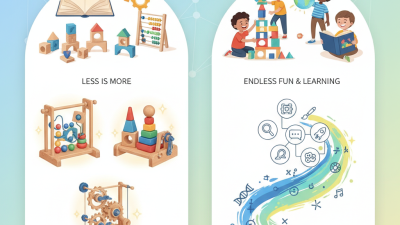
The 2026 toy market is evolving rapidly. One significant trend is the rise of STEM toys. These toys encourage skills in science, technology, engineering, and math. According to a recent report, the global STEM toy market is projected to reach $5.9 billion by 2026. Parents are increasingly investing in toys that provide educational value, but what is truly engaging for kids?
Another noticeable trend is the rise of eco-friendly toys. Sustainability is a growing concern for many families. Research shows that over 70% of parents prefer sustainable products. Toys made from recycled materials or natural sources are gaining popularity. However, the challenge remains: many eco-friendly toys can lack the durability required for active play.
Digital play experiences are also reshaping the landscape. Interactive toys that integrate with apps are now prevalent. A study indicated that 40% of children aged 6-12 engage with these toys regularly. Yet, concerns about screen time and its effects remain. Parents must strike a balance between technology and traditional play. The debate over the effectiveness of digital versus physical play is ongoing.
Choosing age-appropriate toys is crucial for children's development. Toys should match the child's developmental milestones. For infants, consider soft materials. Rattles and vibrant mats can stimulate senses. They encourage crawling and grasping. At this age, safety is key. Check for choking hazards.
As toddlers grow, their needs change. They're curious and active. Building blocks and simple puzzles help with problem-solving. These toys promote fine motor skills. Children may struggle with frustration as they learn. It’s important to provide guidance without taking over. Allow them to explore and discover.
For school-age kids, creativity should flourish. Art supplies and construction sets inspire imagination. Children might not prefer certain activities. It’s okay for them to shift interests. Sometimes, the toys that gather dust may be the most cherished later on. Their preferences can evolve, and that’s part of growth. Encourage them to express what they enjoy. Always be ready to adapt and rethink toy choices.
This chart illustrates the popularity of various toy types among different age groups for 2026. Each age group shows a distinct preference, helping guide parents toward age-appropriate toys that support developmental milestones.
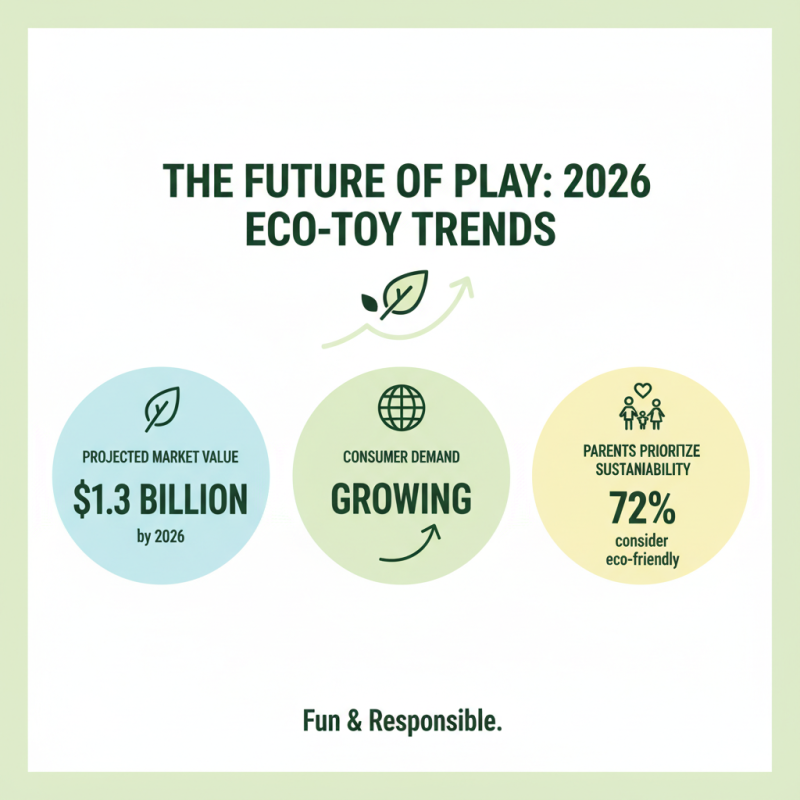
As we look ahead to 2026, sustainable and eco-friendly toys are becoming a dominant trend in the toy industry. Recent reports indicate that the market for eco-friendly toys is projected to reach $1.3 billion by 2026, reflecting a growing consumer demand for products that are both fun and environmentally responsible. Parents are increasingly prioritizing sustainability when choosing toys, with 72% of them considering eco-friendliness as an essential factor in their purchasing decisions.
Manufacturers are responding to this shift. Many are using recycled materials, natural fibers, and non-toxic paints. These materials not only reduce environmental impact but also ensure safety for children. Despite the progress, challenges remain. Many companies still find it difficult to balance cost and sustainability. Additionally, some consumers are not aware of the benefits of eco-friendly toys, leading to hesitance in making more responsible choices.
The impact of this trend is significant. Eco-friendly toys promote better habits for children. They foster a sense of environmental stewardship from a young age. In the coming years, we may see an even wider variety of options available. As manufacturers innovate, the challenge will be to maintain quality and affordability while adhering to eco-friendly standards. The direction is clear, and yet, the journey is just beginning.
As children engage with tech-integrated toys, the line between play and learning blurs. A report from the Toy Association reveals that nearly 70% of parents favor educational toys. These toys ignite creativity and inspire problem-solving skills. Kids learn concepts like coding and mathematics through play. However, reliance on technology raises questions. Are children missing out on traditional play?
Devices that incorporate augmented reality attract attention. Children can explore different worlds and solve challenges in a captivating way. For instance, a recent study found that interactive toys can improve memory retention by 30%. Yet, constant screen time may hinder social development. Children may prefer interaction with devices over peers. This is a growing concern among educators and parents alike.
Moreover, balancing traditional toys with tech options is essential. Classic games promote fine motor skills and imagination. A variety of play types can nurture holistic development. Seeking a healthy mix of tech and traditional play can be challenging. Parents must evaluate how much tech is too much for their little ones. The goal should be genuine engagement, fostering both fun and learning.
In 2026, ensuring safety for children's toys is a key concern. Parents are increasingly aware of the potential risks these products may pose. The focus is now on toys that prioritize child's well-being. Standards have evolved, stressing the use of non-toxic materials. Manufacturers must adhere to strict regulations.
Many companies are investing in safety testing. This involves rigorous evaluations to avoid small parts that can be choking hazards. Toys are now designed with rounded edges, reducing injury risks. Yet, there are inconsistencies in safety practices. Not all manufacturers follow the same protocols, and some may cut corners.
Research shows that parents want transparency. They seek clear labels detailing toy materials and safety tests. This can be challenging, as information isn’t always readily available. Moreover, some toys may not comply with safety standards despite the labels. This leaves room for doubt. Ensuring comprehensive safety measures should remain a priority in the competitive toy market.
| Toy Category | Age Group | Safety Standard | Material | Trend Factor |
|---|---|---|---|---|
| Educational Toys | 3-6 Years | ASTM F963 | Wood / Non-toxic Paint | STEM Learning |
| Outdoor Play Equipment | 4-10 Years | CPSC Guidelines | Plastic / Metal | Active Play |
| Arts and Crafts Kits | 6-12 Years | EN71 | Recycled Materials | Creative Expression |
| Board Games | 8+ Years | ISO 8124 | Cardboard / Ink | Social Interaction |
| Robotics Kits | 10+ Years | ASTM D4236 | Plastic / Electronics | Technology Engagement |